
Your car’s transmission is one of its most essential—and expensive—components. Whether you drive a sedan, SUV, or work truck, your transmission makes it possible for your engine to efficiently deliver power to the wheels. Without it, you’re not going anywhere. And while today’s transmissions are more sophisticated and reliable than ever, they still need regular attention to stay in top shape.
With proper transmission maintenance, you can avoid premature transmission repair or replacement and keep your vehicle running strong for years to come. Let’s walk through the most effective ways to extend the life of your car’s transmission, improve overall vehicle performance, and save money in the long run.
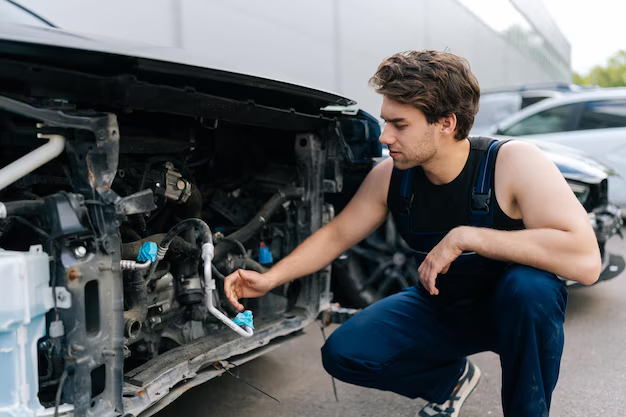
Know What Your Transmission Does
Before diving into care tips, it helps to understand what your transmission is actually doing. In simple terms, the transmission regulates how much power from the engine reaches your wheels. It changes gear ratios so your car accelerates smoothly and operates efficiently at different speeds.
There are several types of transmissions—manual, automatic, CVT (continuously variable), and dual-clutch—but they all serve the same core purpose. Because the transmission is constantly at work when you’re driving, it’s subject to wear and tear. Keeping it in good condition is key to your car’s longevity.
Keep Up with Regular Transmission Maintenance
Routine maintenance is your first line of defense. Just like your engine needs oil changes, your transmission needs fresh fluid to operate properly. Transmission fluid lubricates moving parts, cools the system, and helps with gear shifts. Over time, it can break down or become contaminated with debris, leading to sluggish performance or even damage.
Here’s what you should do:
- Check your transmission fluid regularly. Use the dipstick (if your car has one) to ensure the fluid is clean and at the proper level. The transmission fluid should be a bright red and free of a burnt smell.
- Follow your vehicle manufacturer’s service intervals. Depending on your make and model, this might be every 30,000 to 60,000 miles for automatic transmissions. Some newer models have longer intervals, but don’t assume it’s “lifetime” fluid unless specified by a trusted technician.
- Flush or replace transmission fluid as needed. A fluid flush or change can remove debris and extend the system’s health. Be sure to have this done by a certified mechanic to avoid introducing contaminants.
Drive Smart to Protect Your Transmission
Believe it or not, your driving habits can significantly impact your transmission’s lifespan. Aggressive driving, frequent towing, and stop-and-go traffic all place extra stress on the system.
Here’s how to drive smarter:
- Ease into acceleration. Slamming the gas pedal causes unnecessary strain. Gradual acceleration allows your transmission to shift smoothly and efficiently.
- Avoid riding the brakes. Sudden stops and excessive braking make the transmission work harder, especially in automatic vehicles that may downshift more frequently.
- Let your car warm up. On cold mornings, let your engine and transmission warm up before driving, especially if you’re heading out on the highway. This helps the fluid circulate properly.
- Don’t overload your vehicle. Carrying more weight than your vehicle is designed to handle can overheat the transmission and cause early wear.
Service the Cooling System
Most people associate the cooling system with the engine, but it also affects your transmission. Heat is the transmission’s worst enemy, and in automatic cars, the transmission fluid often runs through a cooler in the radiator.
If your engine is running too hot or the cooling system is failing, your transmission could be at risk.
- Inspect your radiator and cooling lines. Make sure there are no leaks, blockages, or corrosion.
- Flush the cooling system when recommended. A clean cooling system keeps both your engine and transmission operating at safe temperatures.
Address Problems Early
Small issues can quickly turn into major repairs if left unchecked. If you notice any of the following warning signs, it’s time to visit your mechanic:
- Delayed or hard shifting
- Slipping gears
- Strange noises (clunking, whining, or grinding)
- Fluid leaks under your car
- Transmission warning light or check engine light
These symptoms could indicate anything from low fluid to worn components or internal damage. Prompt diagnostics and repairs can prevent a complete transmission failure and save you thousands of dollars.
In Moreno Valley, CA, catching these problems early is even more important, especially if your daily drive involves hilly terrain, highway speeds, or extreme heat. Those conditions make regular inspections and diagnostic checks even more critical.
Don’t Skip Routine Inspections
A general vehicle inspection isn’t just about brakes and tires. Your transmission should be part of every full-service maintenance check. Many transmission issues start subtly, and a trained eye can spot early signs before they lead to expensive repairs.
Certified mechanics in Moreno Valley, like those at our trusted local shop, use advanced diagnostic tools to scan for trouble codes, inspect fluid condition, and ensure everything is operating as it should. You’ll also get peace of mind knowing your entire vehicle is road-ready.
Manual Transmissions Need Love Too
If you drive a manual, don’t think you’re off the hook. While manual transmissions tend to last longer and are generally cheaper to repair, they still require care:
- Change the gear oil as recommended. It’s not the same as transmission fluid, and many drivers forget to check it.
- Use the clutch properly. Don’t ride the clutch or rest your foot on the pedal while driving.
- Shift gently. Forcing gears or shifting too quickly can wear out synchronizers and lead to costly repairs.
Keeping your manual transmission healthy is just as important as taking care of an automatic. With attention and regular maintenance, you can easily get over 150,000 miles out of a manual system.
Be Cautious with Aftermarket Add-Ons
Aftermarket performance parts can be tempting, but be cautious with anything that impacts your transmission. For example, performance chips or tuners that change shift points in automatic vehicles can shorten transmission life if not calibrated correctly. The same goes for oversized tires, which can affect gear ratios and increase load.
If you’re considering modifications, talk to a knowledgeable technician first. They can help you weigh the pros and cons and make sure your upgrades won’t put your transmission at risk.

Why Transmission Care Matters for Car Longevity
Your car’s transmission is one of its most complex systems. Replacing it can cost anywhere from $3,000 to $7,000 or more, depending on your vehicle. But with routine maintenance, careful driving, and regular inspections, you can avoid major breakdowns and keep your vehicle performing at its best for years to come.
Beyond saving money, a healthy transmission means smoother driving, better fuel efficiency, and greater reliability on the road, especially important in the busy streets and unpredictable traffic of Moreno Valley.
If you want to extend your car’s life and stay ahead of costly issues, the best time to start is now.
Bring your car into our certified auto repair shop in Moreno Valley for a comprehensive inspection or transmission maintenance service. Our expert technicians will give your vehicle the attention it deserves, with quality guaranteed, financing options available, and honest advice you can count on.